
Coding for Kids Ages 7 to 9: LYZA Education’s Step-by-Step Learning Pathway
When it comes to introducing young learners to coding, the journey matters just as much as the destination. At Lyza Education, we believe that a thoughtfully structured pathway is key to nurturing confident, curious, and capable young coders.
For children aged 7 to 9, this stage represents a critical window of development. It’s where curiosity is naturally high, problem-solving skills begin to take shape, and the ability to connect ideas starts to flourish. Our learning pathways are designed to harness this potential in a way that feels both engaging and meaningful.
Starting Strong: The Power of Foundational Learning
Every great builder starts with a solid foundation, and coding is no different. Before diving into complex projects or competitions, students need to understand the core concepts that underpin programming.
At LYZA Education, foundational learning focuses on building clarity and confidence. Students are introduced to key ideas such as sequencing, loops, conditionals, and basic logic in a structured yet approachable way. Lessons are designed to be intuitive, allowing learners to grasp concepts without feeling overwhelmed.

This stage is not about rushing, it’s about ensuring that every child develops a deep understanding of the “why” behind what they are doing. When students truly understand the fundamentals, they are better equipped to tackle challenges independently and creatively.
Bringing Concepts to Life: The Role of Applied Learning
Once a strong foundation is in place, the next step is application. This is where learning becomes dynamic and exciting.
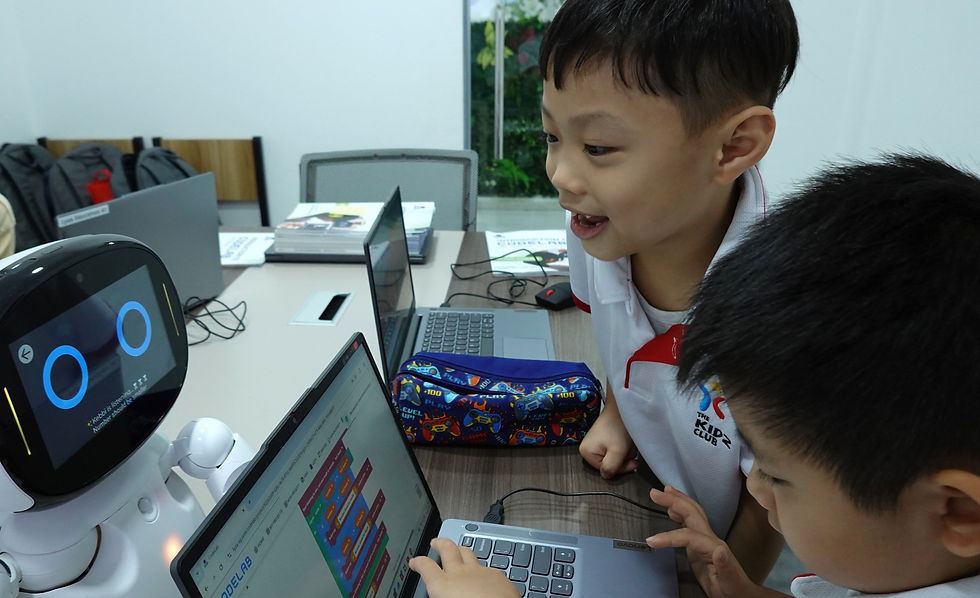
Applied learning allows students to see how abstract concepts translate into real outcomes. Whether it’s building a simple game, designing an interactive story, or solving a problem through code, students begin to understand how their knowledge can be used in practical ways.
This phase bridges the gap between theory and practice. It encourages experimentation, reinforces understanding, and builds confidence. Students are no longer just learning concepts, they are using them with purpose.
From Learning to Creating: Projects and Competitions
With both foundational and applied skills in place, students are ready to dive deeper. At this stage, they take on more complex projects and even explore competitions that challenge them to think critically and creatively.
Projects provide an opportunity for self-expression and innovation. Students can bring their ideas to life, make decisions, and see the direct impact of their work. Competitions, on the other hand, introduce a healthy level of challenge and motivation, encouraging students to refine their skills and push their boundaries.
This progression, from understanding to application to creation, helps students develop not just technical skills, but also resilience, problem-solving abilities, and a growth mindset.

Why Age-Appropriate Learning Matters
For ages 7 to 9, the goal is simple yet powerful: to create an environment where learning feels exciting, progress feels achievable, and every child feels empowered to explore the world of coding.
A key element of LYZA Education’s approach is ensuring that every lesson is age-appropriate. For children aged 7 to 9, engagement is everything. Our curriculum is carefully curated to match their developmental stage, balancing challenge with accessibility. Lessons are interactive, visually engaging, and designed to feel rewarding. This keeps students motivated and prevents frustration, which is crucial for sustained interest.

When learning feels enjoyable, curiosity naturally follows. And when curiosity is sparked, children are more likely to explore, ask questions, and continue their learning journey with enthusiasm. And because when the journey is built right, the possibilities are endless.
Sign up for a trial class today and let your child’s coding journey begin!


Comments