
Common Parents' Question: Should I Let My Child Explore Coding If I'm Trying to Limit Screen Time?
As parents, we're constantly balancing what's best for our children. On one hand, we know technology is becoming an unavoidable part of their future. On the other hand, we're trying our best to reduce screen time and encourage more meaningful offline experiences.
The short answer? Yes, but it's all about how they spend that screen time.
"I'm Not Even Sure My Child Likes Coding."
This is probably one of the biggest concerns parents have.
Many children today are exposed to coding only through compulsory school lessons. While these classes provide a basic introduction, they may not be enough for a child to discover whether they genuinely enjoy coding or have a natural aptitude for it.
Just like music, sports, or art, interest often comes from exposure. A child who has never had the opportunity to build a game, create an animation, or program a robot may simply not know how exciting coding can be.

At the same time, many parents notice that more and more children are enrolling in coding enrichment classes. It's natural to wonder: "Am I missing an opportunity for my child?"
The truth is, coding isn't just about becoming a software engineer. It's about developing skills that are increasingly valuable regardless of the career your child eventually chooses.
Coding Is More Than Learning a Programming Language
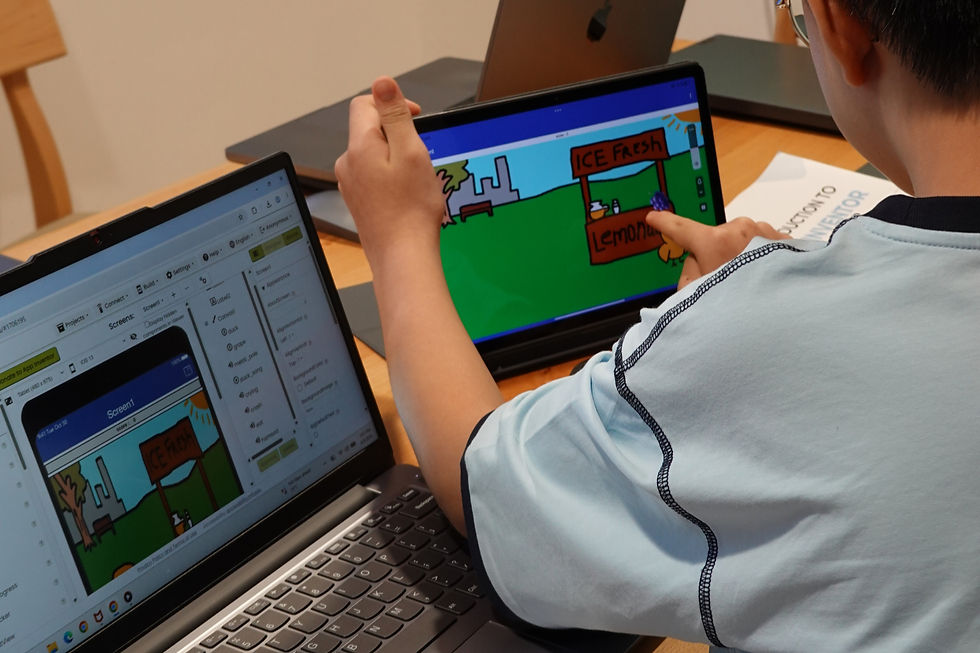
When children learn to code, they're actually developing a wide range of transferable life skills, including problem-solving, logical thinking, and creativity. Coding teaches them to break down challenges into smaller steps, troubleshoot when things go wrong, recognise patterns, and think systematically, while also encouraging them to create and build rather than simply consume technology.
Digital Literacy Is Becoming a Core Life Skill
Digital literacy is quickly becoming one of the most important competencies for the next generation.
As technology continues to shape industries from healthcare and finance to education and design, children who understand how technology works—not just how to use it—will be better prepared for the future.
Even if your child never becomes a programmer, understanding coding helps them become more confident users and creators in an increasingly digital world.
But What About Screen Time?
This is where many parents hesitate. "I don't want my child using coding as an excuse to spend even more time on the computer."
That's a completely valid concern. However, not all screen time is equal.
There's a significant difference between spending an hour passively watching videos and spending an hour actively solving problems, building projects, and learning new skills.
The key isn't simply reducing screen time. It's making sure the screen time your child has is intentional, supervised, and productive.
When children are actively engaged in coding, they're creating, thinking, and learning—not just consuming content.

The Importance of Guided Learning
At Lyza Education, our coding classes are designed with small class sizes, allowing every child to receive personalised attention from their instructor.
Rather than simply placing children in front of a computer, our teachers actively guide them through challenges, answer questions, and ensure they fully understand each concept.

This means every lesson becomes productive screen time — where children are learning, thinking critically, and building confidence under the supervision of experienced educators.
The small teacher-to-student ratio also allows instructors to adapt lessons to each child's pace, ensuring that both beginners and more advanced learners stay engaged and motivated.
If you've been wondering whether coding is worth introducing to your child, the answer is yes. Your child doesn't need to show an obvious passion for coding before getting started. Sometimes, all they need is the right environment and the opportunity to explore. More importantly, the benefits extend far beyond programming itself. Coding helps children become better thinkers, more confident problem-solvers, and digitally literate learners who are prepared for the future.
Sign up for LYZA Education’s classes and start learning coding today!


Comments