
Building Confidence in Kids: Why Small Wins Matter More Than Big Achievements
When parents think about confidence, it is often linked to big outcomes: high grades, awards, or standout achievements. But in reality, children don’t build confidence in these big moments. They build it quietly, through small and consistent experiences of progress in their everyday learning.
At LYZA Education, we see this shift very clearly in how students grow. Confidence is not something that appears suddenly, it is something that develops step by step.
What confidence actually looks like
Confidence in children is not about always getting things right or being the fastest in class. It is seen in much smaller, but more meaningful ways.
It is the willingness to try again after getting something wrong. It is the moment a child says, “I think I can try this on my own.” It is also the ability to stay engaged even when a problem feels challenging.
These are not dramatic achievements, but they are the foundation of real confidence.

Why big results are not enough on their own
Big achievements feel rewarding, but they are not frequent enough to build lasting confidence. They often come after long periods of practice, effort, and even struggle.
If a child only associates confidence with results like test scores or competition outcomes, it can actually create pressure. Instead of feeling encouraged, they may feel that confidence is something they only “earn” occasionally. And this is why the learning process matters more than the final result.
Small wins are the everyday moments that show a child they are improving. It could be solving one question correctly after trying multiple times, understanding a concept they previously found difficult, or completing a task without help.
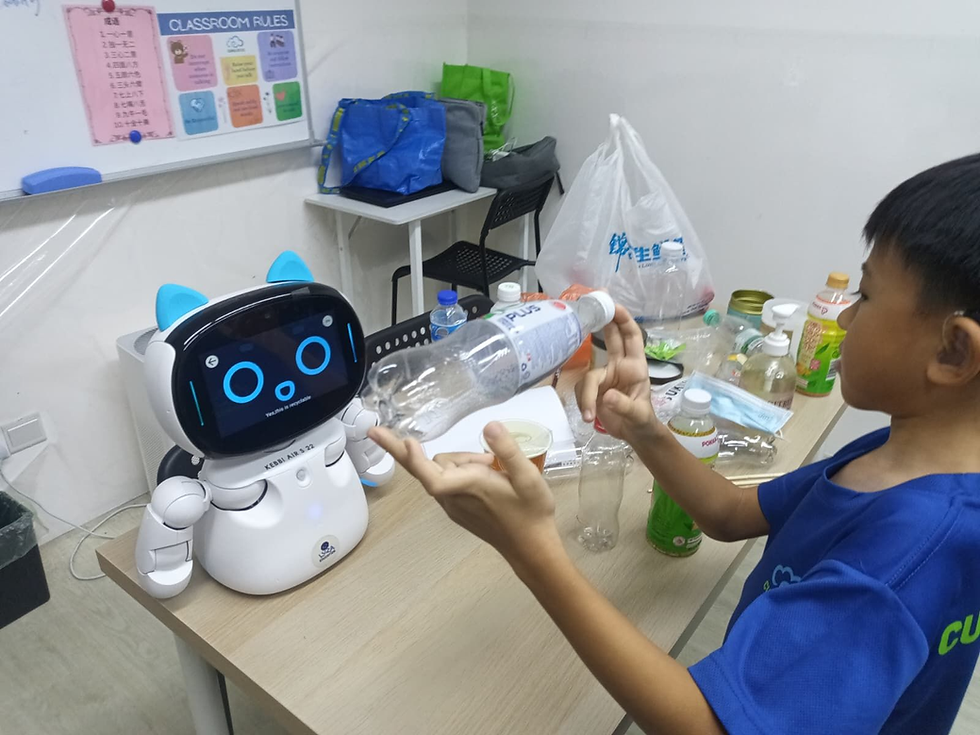
Student independently working on his final project for the Intro to CodeLab class. Student watching his final project code come to life on Kebbi the AI robot.
These moments may seem small, but they have a powerful effect. They build momentum, reinforce effort, and help children see that progress is happening—even if it is gradual.
Over time, these small wins shape how a child sees themselves as a learner.
How learning environments support these moments
At LYZA Education, we place strong emphasis on creating a learning environment where students feel supported, engaged, and confident in their learning journey. Lessons are carefully structured into manageable steps so that students are not overwhelmed, but instead guided through a clear and progressive process where each concept builds on the previous one.

At the same time, learning is designed to be enjoyable and interactive, so students stay motivated and open to trying new challenges. This balance of structure and fun allows them to experience small wins more frequently, even when tackling more difficult topics. With consistent guidance, feedback, and opportunities to practise, students gradually turn moments of uncertainty into confidence and progress.
Ultimately, confidence is not built in a single moment of success. It develops quietly, through repeated small wins that show a child they are capable, improving, and able to overcome challenges. When children experience this regularly, they don’t just become better learners, they become more resilient ones.
Give your child the opportunity to explore coding, strengthen problem-solving skills, and grow into a confident learner.
Sign up for our coding classes today and let them discover what they are capable of!


Comments